
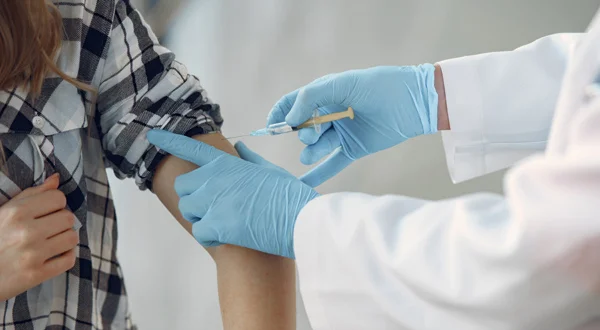
Vaccination plays a vital role in preventive healthcare for women. Immunization protects against serious infections that may lead to long-term complications. The HPV (Human Papillomavirus) vaccine is especially important as it significantly reduces the risk of cervical cancer. Preventive vaccination strengthens immunity and supports long-term reproductive health. Timely immunization ensures protection before exposure to infection.
HPV infection is one of the primary causes of cervical cancer. Vaccination reduces the risk of developing high-risk HPV strains responsible for most cervical cancer cases. In addition to HPV, other vaccines may be recommended during adolescence, preconception, pregnancy, or adulthood based on individual needs. Preventive vaccination reduces disease burden and improves overall public health outcomes.
Vaccination begins with medical evaluation and counselling regarding eligibility and schedule. The HPV vaccine is administered as a series of doses over a specified period depending on age. The injection is given in the upper arm and is generally well tolerated. Minor side effects such as mild pain at the injection site or low-grade fever may occur. Vaccination does not replace routine screening but works alongside regular cervical cancer screening for optimal protection. Follow-up doses are scheduled as per protocol to ensure complete immunization.
1. At what age should HPV vaccination be given?
It is recommended from adolescence onwards as advised.
2. Is HPV vaccine safe?
Yes, it is safe and widely recommended globally.
3. Does vaccination replace Pap smear?
No, regular screening remains necessary.
4. Are there side effects?
Minor discomfort or mild fever may occur temporarily.
5. Can adults take HPV vaccine?
Yes, depending on age and medical advice.


Write a Reply or Comment