
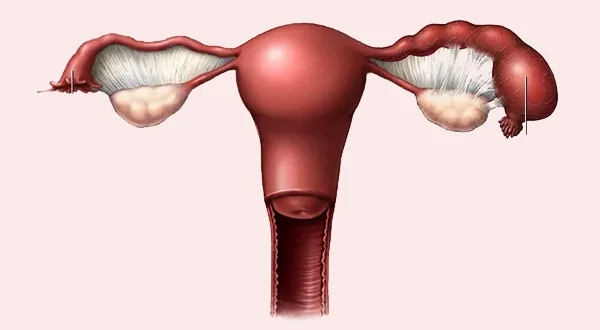
Pelvic Inflammatory Disease (PID) is an infection of the uterus, fallopian tubes, or ovaries, usually caused by untreated bacterial infections. It may present with pelvic pain, abnormal vaginal discharge, fever, painful intercourse, or irregular bleeding. If untreated, PID can lead to serious complications including infertility and chronic pelvic pain. Early medical intervention ensures better reproductive outcomes.
PID commonly occurs when sexually transmitted infections or untreated vaginal infections spread to upper reproductive organs. Poor hygiene, delayed treatment, multiple partners, or post-procedural infections may increase the risk. Early recognition of symptoms is critical to prevent long-term damage.
Diagnosis includes clinical examination, laboratory testing, and ultrasound if required. Treatment primarily involves a complete course of antibiotics tailored to the infection severity. Severe cases may require hospitalization and intravenous medication. Partner evaluation and counselling help prevent reinfection. Follow-up appointments ensure full recovery and reduce complications. Preventive guidance regarding hygiene and timely treatment is emphasized.
2. Is PID curable?
Yes, early antibiotic therapy is highly effective.
3. What are early warning signs?
Lower abdominal pain and abnormal discharge require evaluation.
4. Can PID return?
Yes, reinfection is possible without preventive care.
5. How can PID be prevented?
Early infection treatment and safe practices reduce risk.


Write a Reply or Comment