
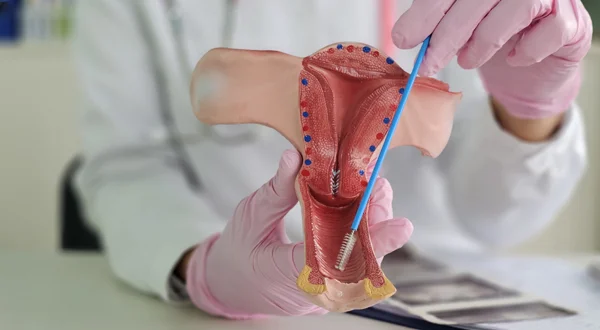
Endometrial Biopsy (EB) is a diagnostic procedure performed to evaluate the lining of the uterus (endometrium). It is commonly recommended for women experiencing abnormal uterine bleeding, irregular cycles, post-menopausal bleeding, or suspected hormonal imbalance. The procedure helps detect endometrial hyperplasia, infection, precancerous changes, or endometrial cancer. Early diagnosis through biopsy allows timely and appropriate treatment planning. Endometrial biopsy is a minimally invasive outpatient procedure that provides valuable information about uterine health. It plays an essential role in evaluating infertility cases and monitoring hormone therapy effects.
An endometrial biopsy is advised when abnormal bleeding patterns occur, particularly in women over 35 years of age. It helps identify underlying causes such as hormonal imbalance, polyps, endometrial thickening, or malignancy. Women with risk factors such as obesity, PCOS, diabetes, or prolonged estrogen exposure may require this evaluation. It is also recommended in cases of unexplained infertility to assess endometrial receptivity.
Before the procedure, a pelvic examination and ultrasound are usually conducted. The biopsy is performed in the outpatient setting without the need for major anesthesia. A thin, flexible instrument is gently inserted through the cervix into the uterus to collect a small tissue sample from the endometrium. The procedure typically lasts a few minutes and may cause mild cramping. The collected sample is sent for laboratory analysis to identify any abnormal cellular changes. Patients may experience mild spotting for a day or two. Results guide further treatment, which may include hormonal therapy, additional diagnostic procedures, or surgical management if required.
1. Is endometrial biopsy painful?
Mild cramping may occur, but it is generally brief and manageable.
2. Is hospitalization required?
No, it is usually performed as an outpatient procedure.
3. How long does it take to get results?
Results are typically available within a few days.
4. Is it necessary for all abnormal bleeding cases?
It is recommended when there is suspicion of endometrial pathology.
5. Can biopsy detect cancer?
Yes, it helps detect precancerous or cancerous changes early.


Write a Reply or Comment